

Social Media Marketing Agency: Powerful Strategies That Drive Success
Introduction
In today’s digital world, having a strong online presence is essential for businesses that want to reach new customers and remain competitive. Social networking platforms have become important places where people discover products, explore services, communicate with brands, and make purchasing decisions.
However, simply creating social media accounts and publishing occasional posts is not enough to build a recognizable business. Companies need a clear marketing direction, creative content, consistent communication, and a strategy that connects with their target audience.
This is where a social media marketing agency can make a valuable difference. With professional planning, engaging visuals, and effective promotional techniques, businesses can strengthen their digital identity, attract potential customers, and develop lasting relationships with their audiences.
Whether you operate a startup, an online store, or an established company, understanding how social media marketing works can help you make smarter decisions about your business growth.
What Is a Social Media Marketing Agency?
A social media marketing agency is a professional service provider that helps businesses manage and improve their presence across different social networking platforms.
These agencies combine marketing knowledge, creative design, content development, and audience research to build effective online campaigns.
Their responsibilities may include:
- Developing customized social media strategies.
- Designing attractive promotional graphics.
- Creating engaging videos and short-form content.
- Managing business profiles and publishing schedules.
- Running targeted advertising campaigns.
- Communicating with online audiences.
- Evaluating campaign performance.
Rather than depending on random posts or occasional promotions, businesses can follow a structured approach that supports their marketing objectives.
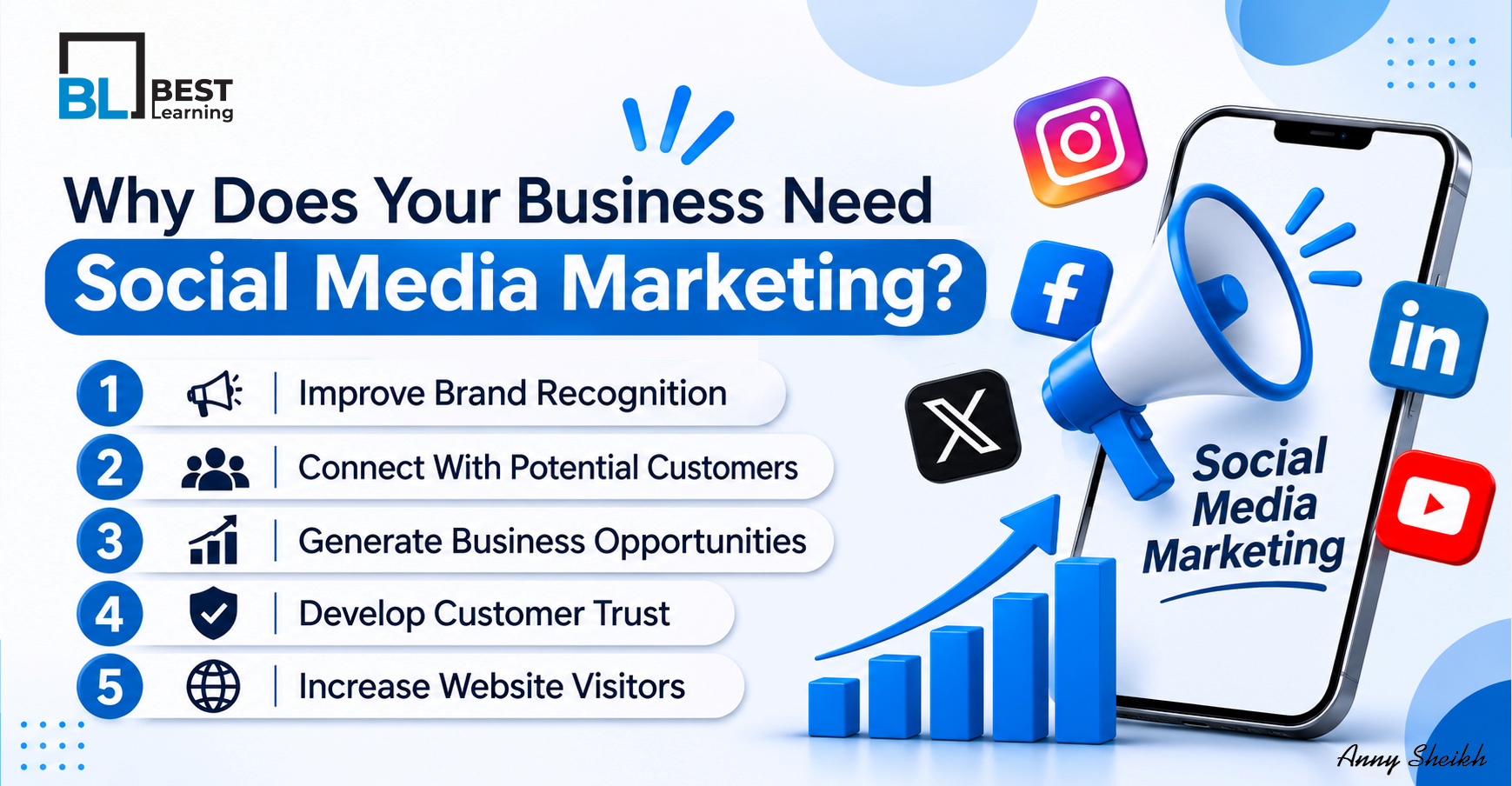
Why Does Your Business Need Social Media Marketing?
Social media has changed how companies communicate with their customers. Businesses can now introduce their products, explain their services, share updates, and interact with audiences through digital platforms.
Here are some important reasons why social media marketing deserves attention.
- Improve Brand Recognition
A recognizable brand helps customers remember your business. Consistent colors, professional graphics, recognizable logos, and clear messaging create a unified identity across different platforms.
Regularly sharing valuable content also gives people more opportunities to discover your company and become familiar with what you offer.
- Connect With Potential Customers
Social platforms allow businesses to communicate directly with their audiences. Customers can ask questions, request information, share feedback, and learn more about available products or services.
Responding professionally and maintaining meaningful conversations can help establish customer confidence.
- Generate Business Opportunities
Well-planned social media campaigns can introduce your products and services to people who may be interested in purchasing them.
Promotional content, product demonstrations, customer testimonials, and targeted advertisements can encourage potential buyers to visit your website or contact your business.
- Develop Customer Trust
People are more likely to feel confident about businesses that communicate consistently and present themselves professionally.
Sharing helpful information, answering questions, highlighting customer experiences, and providing genuine updates can gradually strengthen your brand reputation.
- Increase Website Visitors
Social media can become an additional source of website traffic. By including relevant website links in posts, advertisements, and profile descriptions, businesses can encourage interested visitors to explore their online platforms.
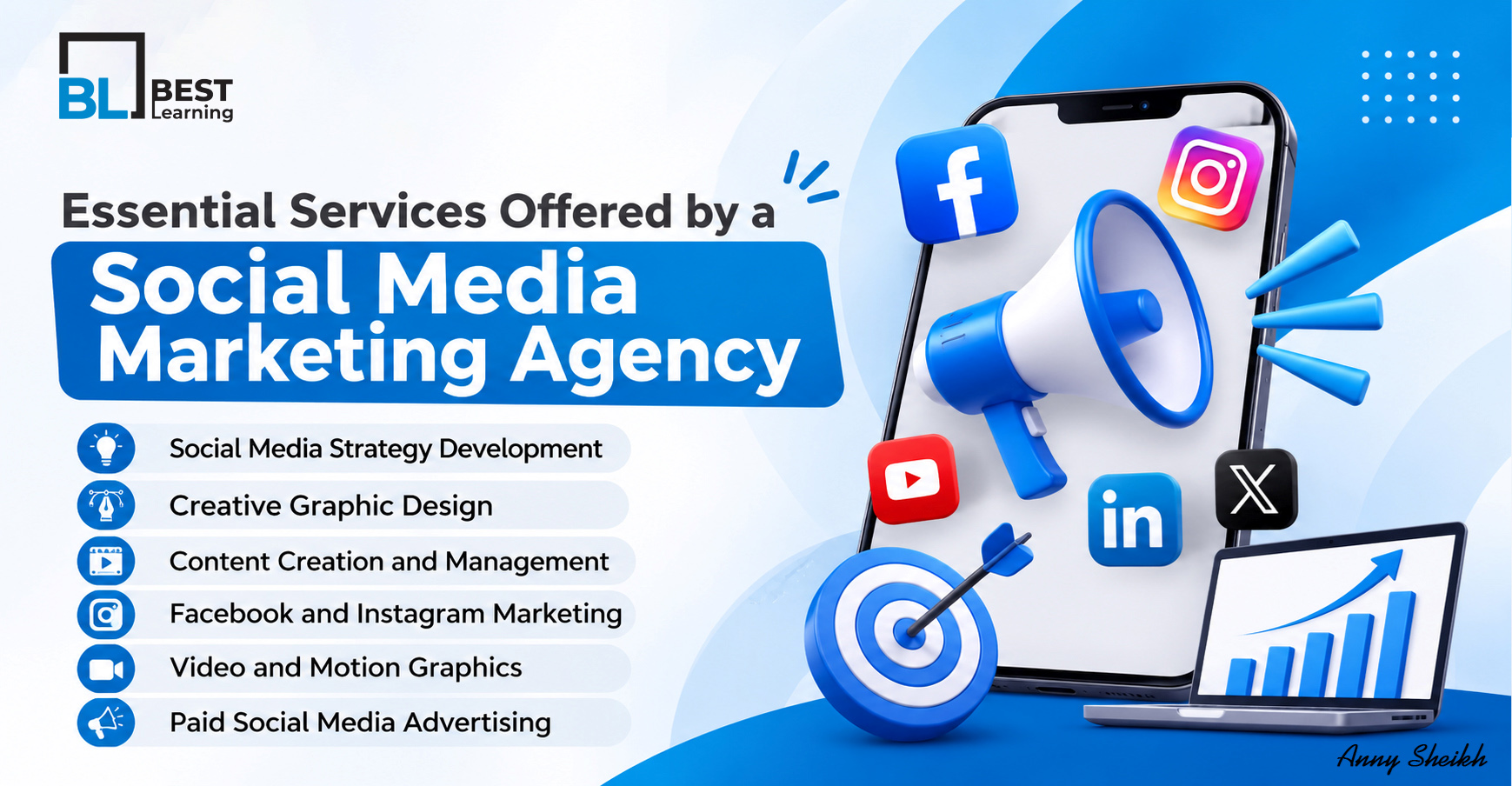
Essential Services Offered by a Social Media Marketing Agency
Professional social media management involves several creative and marketing activities. Each service contributes to building a stronger and more effective online presence.
Social Media Strategy Development
Every successful campaign begins with a suitable plan. Marketing professionals identify business objectives, study competitors, understand customer interests, and select appropriate platforms.
A customized strategy provides direction for content creation, promotional campaigns, and audience engagement.
Creative Graphic Design
Visual presentation plays an important role in attracting attention online. Professional graphic design helps businesses communicate their messages through visually appealing content.
Common design services include:
- Promotional social media posts.
- Product advertisement graphics.
- Business announcements.
- Seasonal marketing designs.
- Infographics and educational posts.
- Brand identity materials.
High-quality visuals help maintain a consistent and professional appearance.
Content Creation and Management
Content is an important part of digital communication. Businesses need interesting and relevant material that provides value to their audiences.
A content management plan may include educational articles, product highlights, promotional campaigns, short videos, reels, and interactive posts.
Organizing content in advance also helps businesses maintain a regular publishing schedule.
Facebook and Instagram Marketing
Facebook and Instagram provide opportunities for businesses to showcase products, share updates, build communities, and promote services.
Marketing activities may involve profile optimization, creative campaigns, audience engagement, sponsored advertisements, and performance monitoring.
Video and Motion Graphics
Short videos and animated graphics offer engaging ways to communicate information.
Businesses can use video content to demonstrate products, introduce services, explain processes, and highlight important announcements.
Creative motion graphics can also make promotional messages more memorable.
Paid Social Media Advertising
Organic content helps businesses develop their online presence, while paid advertising can expand the visibility of selected campaigns.
Advertising platforms allow businesses to reach audiences using relevant targeting options, campaign objectives, and advertising budgets.
Campaign performance should be monitored regularly so that improvements can be made when necessary.
How to Select the Right Social Media Platforms
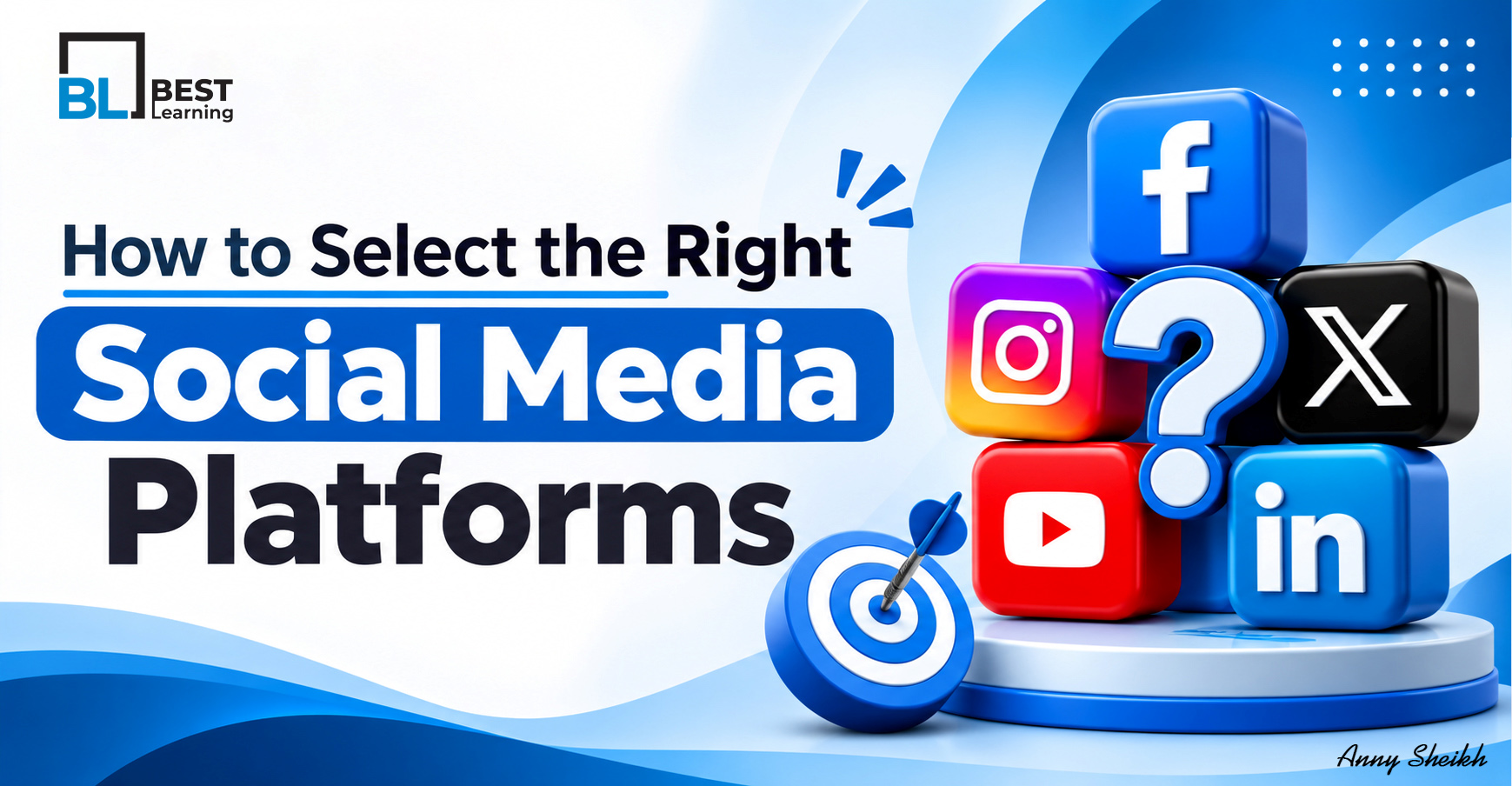
Not every business needs to maintain an active presence on every social network. The best platform depends on the company’s products, services, audience, and marketing goals.
Consider these popular options:
Facebook is useful for community engagement, business updates, promotional campaigns, customer communication, and advertising.
Instagram is particularly suitable for businesses that depend on visual presentation, including fashion, beauty, food, lifestyle, and creative industries.
LinkedIn is valuable for professional networking, business-to-business communication, industry updates, and building professional credibility.
TikTok
TikTok offers opportunities to reach audiences through short videos, creative storytelling, product demonstrations, and entertaining content.
YouTube
YouTube supports longer videos, tutorials, product reviews, educational material, and informative brand content.
Choosing platforms according to your target customers helps businesses use their time and marketing resources more effectively.
How to Build an Effective Social Media Marketing Strategy
A successful online presence requires more than attractive designs. Businesses should follow a clear process that connects their content with their overall objectives.
Step 1: Identify Your Business Objectives
Start by deciding what you want to achieve. Your priorities might include increasing brand visibility, generating enquiries, promoting new products, attracting website visitors, or improving customer relationships.
Step 2: Understand Your Target Audience
Research the people most likely to purchase your products or services.
Consider their interests, preferences, challenges, age groups, locations, and online activities. This information helps you create content that is relevant to their needs.
Step 3: Study Your Competitors
Review how similar businesses present their brands online. Observe their content styles, promotional approaches, customer interactions, and popular posts.
Competitor research can reveal opportunities to improve your own marketing activities.
Step 4: Create a Content Calendar
A content calendar organizes upcoming posts, campaigns, and important announcements.
Planning ahead makes it easier to maintain consistency and balance different content types, such as educational, promotional, entertaining, and informative material.
Step 5: Publish Creative and Valuable Content
Focus on content that captures attention and communicates something useful.
Use professional graphics, clear captions, relevant videos, and strong calls to action. Avoid making every post a direct sales advertisement.
Step 6: Interact With Your Audience
Respond to comments, answer messages, acknowledge feedback, and participate in relevant conversations.
Active communication can help businesses develop stronger relationships with their online communities.
Step 7: Analyze and Improve Performance
Review important performance indicators, including reach, impressions, engagement, profile visits, website clicks, enquiries, and conversions.
Use these insights to identify successful content and improve future campaigns.
Common Social Media Marketing Mistakes Businesses Should Avoid
Even businesses with attractive products and excellent services can struggle online when their marketing approach lacks direction.
Some common mistakes include:
- Publishing content without a clear strategy.
- Using inconsistent branding and visual styles.
- Ignoring comments and customer messages.
- Sharing repetitive promotional material.
- Selecting platforms without understanding the audience.
- Focusing only on follower numbers.
- Running advertisements without monitoring performance.
- Failing to review and improve marketing campaigns.
Avoiding these problems can help businesses create a more organized and meaningful digital presence.
The Future of Social Media Marketing
Social media continues to evolve as technology, customer expectations, and digital communication habits change.
Artificial intelligence, short-form video, personalized content, social commerce, and data-driven marketing are creating new opportunities for businesses.
Companies that remain flexible and understand changing audience preferences will be better positioned to adapt their marketing strategies.
However, technology alone cannot build a successful brand. Creativity, authenticity, valuable communication, and a genuine understanding of customers will remain important parts of effective digital marketing.
Frequently Asked Questions (FAQs)
What does a social media marketing agency do?
A social media marketing agency helps businesses develop their online presence through content planning, graphic design, social media management, audience engagement, advertising, and campaign analysis.
Is social media marketing important for small businesses?
Yes. Social media gives small businesses opportunities to introduce their services, communicate with potential customers, showcase their products, and build brand recognition.
Which social media platform is best for business promotion?
The right platform depends on your industry and target audience. Facebook and Instagram are popular choices for many consumer-focused businesses, while LinkedIn is useful for professional and B2B marketing.
How often should a business publish social media content?
There is no universal posting schedule for every company. A suitable publishing frequency depends on the audience, available resources, content quality, and marketing objectives. Consistency is generally more useful than publishing large amounts of low-quality content.
Can social media marketing help generate sales?
Yes. Effective content, relevant advertising, customer interaction, and clear purchasing information can help businesses attract potential buyers and support sales opportunities.
Conclusion
Building a successful digital presence requires creativity, consistency, planning, and a clear understanding of customer expectations. Social networking platforms provide businesses with valuable opportunities to introduce their brands, communicate with audiences, showcase their offerings, and develop stronger customer relationships.
Working with a social media marketing agency can help businesses organize these activities through professional content creation, strategic planning, audience engagement, and performance evaluation.
Instead of treating social media as an occasional promotional tool, companies should view it as an ongoing part of their business development strategy. With the right approach and continuous improvement, social media can become an important channel for building brand awareness, creating new opportunities, and supporting long-term growth.
Start developing a stronger online presence today by making your social media strategy more creative, consistent, and customer-focused.












Leave a Reply